Bahamas Wedding & Elopement Packages
Licence to Certificate
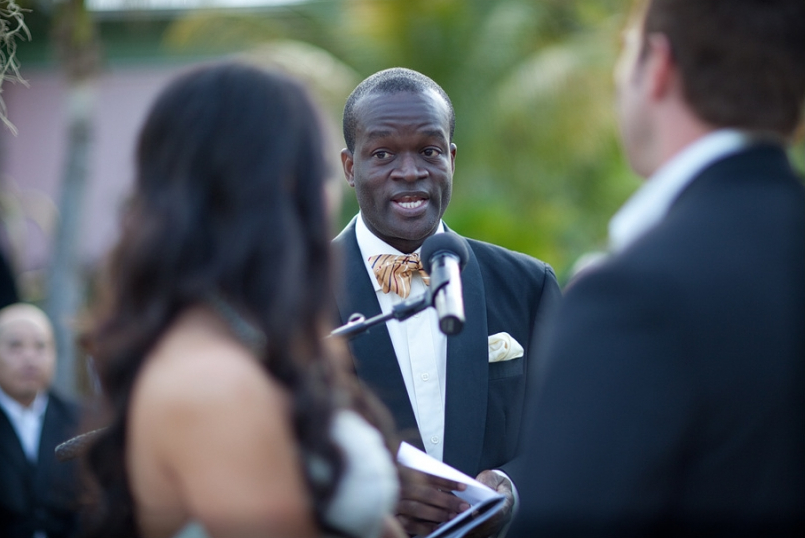
Glenn Ferguson is a Licensed Bahamas Marriage Officer, WPIC-Certified Wedding Planner with 24+ years and 200+ weddings. He processes your marriage licence, performs your legal ceremony, coordinates flowers, photography, and transport — then delivers your certified certificate and Apostille. You just show up and get married.
Licensed Marriage Officer · WPIC Certified · 5.0 Rating (82 reviews)
Packages with Glenn Ferguson cover every style — beach weddings, elopements, and luxury celebrations — ranging from $375 (Vow Renewal Basic) to $11,995 (Eternal Love Nassau, 50 guests). Legal wedding packages with marriage licence start at $1,495. Most popular: Romance at $2,395 — photos, limousine, flowers, licence, and certificate for up to 6 guests. Average couple spend: $3,200. All prices include 10% Bahamas VAT. Government licence fee of $120 is paid separately at the Registrar General’s Office. No hidden fees. No mandatory resort stays. Call or WhatsApp Glenn at +1-(242)-395-8495.
| Package Type | From | Guests | Best For |
|---|---|---|---|
| Vow Renewal | $375 | 2+ | Already married couples |
| Elopement (Sweet Beginning) | $1,495 | 2–4 | Just the two of you |
| Beach Wedding (Romance) | $2,395 | Up to 6 | Most popular — photos + limo |
| Small Wedding (Elegance) | $2,495 | Up to 25 | Budget for small groups |
| Full Wedding (Paradise Nassau) | $3,995 | Up to 25 | Photos, video, live music |
| Large Wedding (Nassau Wedding) | $5,995 | Up to 50 | Full beach setup |
| Luxury + Reception (Eternal Love) | $11,995 | Up to 50 | Complete celebration |
Experience the Bahamas
Turquoise waters, powdery white sand, and a marriage licence process that takes 20 minutes — the Bahamas is one of the most sought-after wedding destinations in the world for good reason.
The Bahamas — one of the world’s most beautiful wedding destinations, within two hours of the US East Coast.
Why Get Married in the Bahamas?
The Bahamas offers something no mainland venue can: a legally recognised marriage ceremony on a turquoise Caribbean beach, within a two-hour flight of the entire US East Coast and a direct connection from the UK via Miami or New York.
Unlike many Caribbean destinations, the Bahamas marriage process is genuinely straightforward for foreign nationals. Two documents, a 24-hour residency requirement, and a government fee of $120. No blood tests, no birth certificates, no bureaucratic uncertainty. Glenn handles the entire legal process and verifies your documents before you travel.
A Bahamas marriage certificate is recognised in the United States, United Kingdom, Canada, and 150+ countries. Apostille authentication is available through Glenn’s legal services, processed through the Bahamas Ministry of Foreign Affairs. Glenn Ferguson — Licensed Bahamas Marriage Officer, WPIC-Certified Wedding Planner, BREA Licensed Bahamas Real Estate Agent — is the only professional in the Bahamas combining all three licences.
Full Legal GuideWorld-Class Beaches
Crystal-clear turquoise water and white sand beaches across Nassau, Eleuthera, Exuma, Harbour Island, and Bimini.
Easy to Reach
Two hours from Miami, three from New York. Direct US connections from the UK. TSA PreCheck available at Nassau airport.
Simple Legal Process
Two documents. $120 government fee. No blood tests. No waiting period beyond 24-hour residency. Glenn manages everything.
Year-Round Sunshine
72–84°F year-round. Peak dry season November through April is ideal. Glenn schedules morning ceremonies for optimal light.
Outstanding Value
Complete packages from $375. Average spend $3,200 vs $36,000+ for a comparable US wedding. No venue fees. No hidden charges.
Internationally Recognised
Legally valid in 150+ countries. Apostille available through the Bahamas Ministry of Foreign Affairs — Hague Convention compliant.
After 24 years and 200+ weddings on Cable Beach, Nuptial Beach, Exuma sandbars, Pink Sands Beach on Harbour Island, and Lighthouse Beach in Eleuthera, the biggest mistake I see couples make is treating the legal process and the planning process as two separate things. They are not. When your planner is also your Licensed Marriage Officer — and has been for 24 years — every element is coordinated by one professional accountable for every detail. The licence, the affidavit, the ceremony, the certificate, the Apostille. I hold BREA Licence as well. My couples tell me the day was completely effortless because I eliminate every gap between planning and legal. That is what a single qualified specialist delivers.
Find the Right Bahamas Wedding Package
Twelve complete packages covering every wedding style and guest count — from a private two-person elopement to a 50-guest beach reception with dinner, DJ, and open bar. Every legal wedding package includes your marriage licence, Licensed Marriage Officer ceremony, and certified marriage certificate. See the full packages page for all 12 with complete inclusions.
Beach Elopement Packages
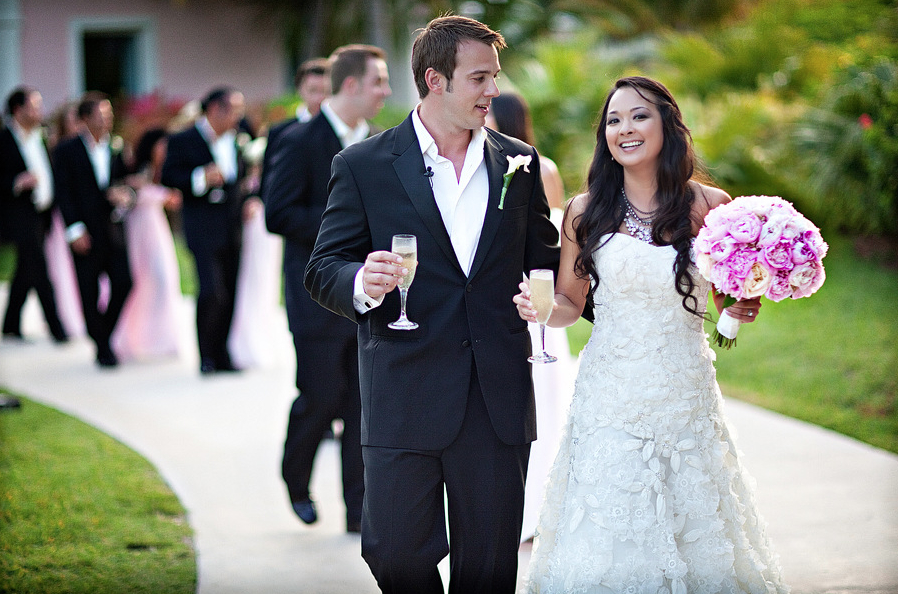
Designed for couples who want a completely private, legally binding ceremony on the beach. Glenn processes your licence, performs the ceremony, provides flowers and two legal witnesses, arranges transport, and delivers your certified certificate. One person. Every detail handled. Licence to certificate.
View Elopement Packages →Small Intimate Weddings
For couples bringing 6 to 25 guests. Packages include professional photography, floral setup, transport, and full ceremony coordination. Nuptial Beach on Cable Beach is the most requested location for intimate gatherings. Limousine from the Romance package up.
View Intimate Packages →Full Beach Weddings
For wedding parties of 25 to 50 guests with a full celebration planned. Packages add videography, live musical soloist or trio, coach transport, and additional florals. The Eternal Love package at $11,995 includes full dinner reception, DJ, open bar, and two hours each of photography and video.
View All 12 Packages →Cruise Ship Weddings
Glenn specialises in ceremonies around Nassau port stops. Nuptial Beach is 20 minutes from the cruise terminal. Typical day: disembark 9 AM, marriage licence at the Registrar 10 AM, ceremony at Nuptial Beach 1 PM, return to ship by 3 PM. Priority 1-hour licence processing available.
Cruise Wedding Details →Resort & Villa Weddings
Ceremonies at Nassau’s leading resorts — Atlantis, Grand Hyatt Baha Mar, Rosewood, SLS, Goldwynn, and Four Seasons Ocean Club. Glenn coordinates with venue teams and handles all legal elements. Private villa weddings across Nassau, Eleuthera, and Exuma.
Villa Wedding Details →Vow Renewals
Celebrate an anniversary or renew your commitment on a Bahamian beach. Starting at $375 with no legal requirements or marriage licence needed. Glenn personalises the ceremony to your story. Vow Renewal Plus at $1,495 adds 1 hour of professional photography.
Vow Renewal Packages →Package Comparison
A snapshot of four signature packages. See all 12 packages for the complete range including vow renewals and custom builds.
| What’s Included | Sweet Beginning $1,495 |
Romance Popular $2,395 |
Paradise Nassau $3,995 |
Eternal Love $11,995 |
|---|---|---|---|---|
| Marriage Licence Processing | ✓ | ✓ | ✓ | ✓ |
| Licensed Marriage Officer Ceremony | ✓ | ✓ | ✓ | ✓ |
| Affidavit of Singlehood Arranged | ✓ | ✓ | ✓ | ✓ |
| Tropical Flowers | ✓ | ✓ | ✓ | ✓ + Extra |
| Professional Photography | — | 1 Hour | 1 Hour | 2 Hours |
| Videography | — | — | Yes | 2 Hours |
| Live Musicians | — | — | Soloist | Trio + Band |
| Transportation | Roundtrip | Limo (6) | Coach (25) | Limo + 2 Coaches |
| Guest Capacity | 2–4 | Up to 6 | Up to 25 | Up to 50 |
| Dinner Reception + Open Bar | — | — | — | Full |
| Certified Marriage Certificate | ✓ | ✓ | ✓ | ✓ |
| Apostille Available | ✓ | ✓ | ✓ | ✓ |
How Much Does a Bahamas Wedding Cost?
Destination weddings in the Bahamas cost a fraction of comparable US or major resort weddings — without sacrificing beauty, legal validity, or professional quality. Glenn’s package prices include 10% Bahamas VAT. No hidden fees. No venue charges.
US average: The Knot 2025 Real Weddings Study. Resort pricing based on published 2026 rates. Glenn’s packages are all-inclusive. No separate officiant fees.
Glenn responds to every enquiry within 2 hours. WhatsApp your dates now → or call +1-(242)-395-8495
What’s Included in a Bahamas Wedding Package
Every Glenn Ferguson wedding package is a complete, managed experience. One contact. One coordinator. One specialist — Licensed Bahamas Marriage Officer, WPIC-Certified, BREA Licensed Bahamas Real Estate Agent — accountable for every element from first enquiry to certified certificate.
Marriage Licence Processing
Glenn accompanies you to the Registrar General’s Department. Government fee: $100 plus $20 certified copy ($120 total). Priority 1-hour processing available.
Affidavit of Singlehood
Glenn arranges through a Bahamian Notary Public ($95 total, both parties). US Embassy no longer provides this service — Notary Public is the correct and current requirement.
Legal Ceremony
Glenn performs your legally binding ceremony as a Licensed Bahamas Marriage Officer. No separate officiant required or billed. Every ceremony personally performed by Glenn.
Tropical Flowers
Fresh tropical bridal bouquet and boutonniere in all packages. Enhanced floral arrangements in packages from Romance ($2,395) upward.
Two Legal Witnesses
Bahamas law requires two witnesses. Glenn provides both — couples do not need to bring their own or pay extra.
Roundtrip Transportation
Transport from hotel to ceremony location and return. Limousine from Romance ($2,395). Coach for groups from Elegance ($2,495).
Certified Marriage Certificate
Official certified copy of your Bahamas marriage certificate delivered after the ceremony.
Apostille Certification
Hague Convention Apostille through the Bahamas Ministry of Foreign Affairs. Recognition in 150+ countries. Included in Romance ($2,395) and above.
Document Pre-Verification
Glenn verifies your documents before you travel. Eliminates any risk at the Registrar General’s Office on your wedding day. 24 years of doing this means zero surprises.
How to Plan a Bahamas Wedding in 4 Steps
Glenn has refined a four-step process over 24 years that removes destination wedding stress. Every legal and logistical detail is resolved before you board your flight. One person. One fee. Licence to certificate.
Contact Glenn
Call or WhatsApp +1-(242)-395-8495. Discuss your vision, guest count, preferred dates, and locations. Glenn recommends the right package. Response: within 2 hours.
Choose Your Package
Select from 12 packages — $375 to $11,995 — or let Glenn build a custom package. Confirm your date with a deposit. Saturday dates require Thursday arrival for the licence.
Send Your Documents
Passport and proof of eligibility. Glenn arranges the affidavit of singlehood ($95, Bahamian Notary Public) and pre-verifies everything before you travel. No surprises.
Arrive and Get Married
Glenn handles the licence ($120 gov fee), ceremony, flowers, photos, and certificate. Apostille available. You just show up.
Best Locations for a Bahamas Wedding
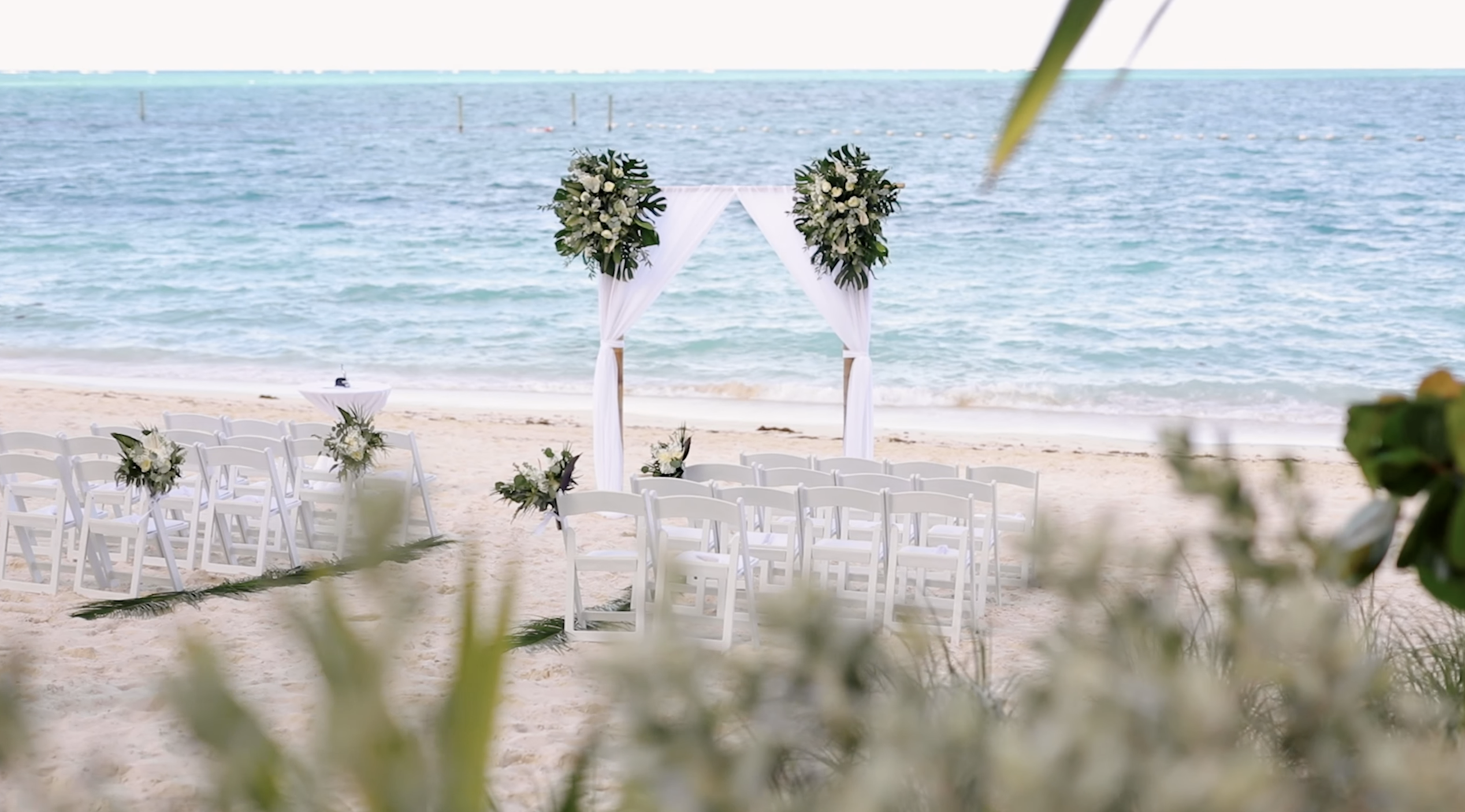
Glenn performs weddings at beaches, resorts, private villas, and outer islands across the Bahamas. Every location is vetted for legal ceremony access, photography conditions, and guest logistics.
What Is the Best Month for a Bahamas Wedding?
The Bahamas has a tropical climate with warm weather year-round. Based on 24 years of ceremonies, Glenn’s recommendation: November, March, and April are the sweet spot.
November Through April
The dry season delivers consistent sunshine, low humidity, and average temperatures of 72–80°F (22–27°C). This is the most popular window and books fastest. December, January, and February are in highest demand. Glenn recommends November, March, and April for the ideal combination of weather and venue availability.
May Through October
Temperatures rise slightly to 82–88°F with a higher probability of afternoon showers, particularly June through August. This period offers greater venue availability and lower hotel rates. Glenn schedules morning ceremonies to work consistently around afternoon weather patterns — in 200+ ceremonies, no ceremony has ever been cancelled due to rain.
How to Get a Bahamas Marriage Licence
Glenn handles the entire marriage licence process at the Registrar General’s Department in Nassau. You attend in person; Glenn guides every step. The process takes 20–30 minutes.
Arrive in the Bahamas (24-Hour Residency)
You must be physically present in the Bahamas for a minimum of 24 hours before applying for your marriage licence. Glenn pre-plans your arrival itinerary. For a Saturday ceremony, both parties must arrive no later than Thursday.
Affidavit of Singlehood
Glenn arranges an affidavit of singlehood through a Bahamian Notary Public — $95 total for both parties. This replaces the former US Embassy service (now discontinued). For previously married applicants: original divorce decree or death certificate with raised court seal required.
Visit the Registrar General’s Department with Glenn
Glenn accompanies you personally. Government marriage licence fee: $100. Certified copy: $20. Total: $120. Priority 1-hour processing available for cruise passengers. Registrar General operates Monday to Friday, 9:30 AM to 4:00 PM.
Legal Ceremony by a Licensed Officer
Glenn performs your legally binding ceremony as a Licensed Bahamas Marriage Officer. The ceremony must conclude before sunset. Two witnesses (provided by Glenn) must be present and sign the register. Ceremonies on public beaches require no permit for intimate gatherings.
Certificate and Optional Apostille
Glenn processes your certified marriage certificate. For international recognition in 150+ countries, Glenn processes the Apostille through the Bahamas Ministry of Foreign Affairs. Apostille government fee: $120. Accepted under the Hague Convention in the US, UK, Canada, Australia, and beyond.
What Couples Say About Glenn Ferguson
5.0 rating across 82 reviews from couples in the US, UK, Canada, Australia, and 150+ countries. Read all reviews →
“I cannot say enough about how satisfied my wife and I are! Glenn Ferguson was wonderful throughout the entire process! He helped easily navigate the bureaucracy of obtaining a marriage licence, even bringing us to the office in his car. Glenn orchestrated a beautiful ceremony for just the two of us. Everything from the flowers to the photography were carefully thought out and well-executed. The caring and warmth that Glenn puts into his ceremony went far beyond what we expected. This is a man who loves his work and it shows!”
“Every detail of our wedding was thoughtfully taken care of in advance of our arrival on the island. Glenn was waiting for us before we docked and had a luxury car waiting for our wedding party. The service could not have gone any better, with Glenn incorporating our three children into the event even more than we’d imagined — a very special touch! I’d highly recommend that you contact Glenn if you’re planning to be wed in the Bahamas.”
“I think it’s safe to say that we would not have gotten married in Nassau if it were not for Glenn. He facilitated our entire marriage process from beginning to end and was the most responsive person I have had the pleasure of dealing with throughout our wedding month and day! He was able to provide our photographer and witnesses as well pretty last minute. Glenn is a true professional and it shows through his work. I cannot wait to come back to renew our vows with you, Glenn!”
Who Is Glenn Ferguson?
Glenn Ferguson is a Licensed Bahamas Marriage Officer and WPIC-Certified Wedding Planner based in Nassau, Bahamas. Over 24+ years, he has performed more than 200 weddings across Nassau, Paradise Island, Exuma, Harbour Island, Eleuthera, and Bimini for couples from more than 150 countries.
What makes Glenn’s service uniquely valuable is the combination of licences he holds. As both the licensed planner and the licensed officiant, he is the single professional accountable for every element of your wedding — the legal paperwork, the affidavit of singlehood, the ceremony, the vendor coordination, and the post-ceremony certificate and Apostille. Most couples who hire separately pay two parties, coordinate between them, and accept the risk of gaps. Glenn eliminates that entirely.
Glenn also holds BREA Bahamas Real Estate Licence and serves as a Residency Consultant — uniquely positioned to help couples who fall in love with the Bahamas and want to explore making it home.
Bahamas Wedding FAQ
Fact-checked answers to the questions couples ask most before booking — covering cost, legal requirements, timing, recognition, and how Glenn works.
How much does a Bahamas wedding package cost in 2026?
The government marriage licence fee of $120 ($100 + $20 certified copy) is paid separately at the Registrar General’s Office. Affidavit of singlehood: $95 (Glenn arranges via Bahamian Notary Public). No hidden fees. No mandatory resort stays. See all 12 packages with full inclusions →
What documents do you need to get married in the Bahamas?
No birth certificates. No blood tests. No medical certificates. Glenn verifies your documents before you travel, eliminating any risk at the Registrar General’s Office. Full requirements guide →
How long does it take to get a Bahamas marriage licence?
The Registrar General’s Department operates Monday to Friday, 9:30 AM to 4:00 PM. Both parties must be physically present. For a Saturday ceremony, couples must arrive and collect the licence on Thursday or Friday. Glenn schedules all Registrar appointments. Priority processing details →
Can foreigners legally get married in the Bahamas?
Apostille certification through the Hague Convention provides formal recognition in 150+ countries including the US, UK, Canada, and Australia. Glenn processes the Apostille through the Bahamas Ministry of Foreign Affairs.
What is the best month to get married in the Bahamas?
May through October offers lower hotel rates and more open dates but a higher chance of afternoon showers. Glenn schedules ceremonies in the morning window for off-season bookings. All outdoor ceremonies must conclude before sunset under Bahamas law — Glenn schedules accordingly.
Can you get married on a Saturday in the Bahamas?
Glenn plans your full arrival and licence timeline automatically when you book a Saturday date. Saturday dates in peak season (December through April) book earliest — typically 3 to 6 months in advance. WhatsApp Glenn to check Saturday availability →
Can you get married on a cruise ship stop in Nassau?
Priority 1-hour licence processing is available so the timeline stays on track. Glenn meets couples at the dock and coordinates the full day within the port window. Sweet Beginning package ($1,495) works for most cruise couples. Cruise wedding guide →
Is a Bahamas marriage certificate recognised in the US, UK, and Canada?
For UK couples, see the British Citizens Abroad guide. For US name changes and Canadian immigration purposes, the Apostille is typically required. Glenn advises on country-specific requirements during the booking process.
Does Glenn Ferguson personally perform the ceremony?
Glenn is the only professional in the Bahamas combining a government-issued Marriage Officer licence with WPIC wedding planning certification and BREA Licence Agent. You communicate directly with Glenn throughout — no assistants, no call centre, no resort event department acting as intermediary.
Do you need a permit for a beach wedding in the Bahamas?
Glenn’s semi-private Nuptial Beach near Orange Hill requires no resort fees and no permits for intimate ceremonies. For resort beachfront ceremonies at Baha Mar, Goldwynn, or Atlantis, coordination with the resort is required — Glenn manages this independently. He advises on permit requirements for every ceremony size and location.
What do guests wear to a Bahamas beach wedding?
The couple typically wears lighter versions of formal attire — flowing beach dresses and linen suits rather than heavy gowns and dark morning suits. Glenn advises all couples on dress code suggestions for their specific beach setting and provides a recommended guest dress code note for invitations. Bridal hair and makeup is included in the Deluxe Nassau ($4,915) and Eternal Love Nassau ($11,995) packages.
What happens if it rains on your Bahamas wedding day?
Glenn’s weather contingency approach: schedule summer ceremonies before 4 PM to avoid typical afternoon rain windows; morning ceremonies at Nuptial Beach (8–10 AM) are least affected; covered beach setups can be arranged; indoor venue alternatives at Nassau restaurants and private spaces are available for emergencies. Ask Glenn about weather contingency →
Who should I call to plan a wedding in the Bahamas?
Glenn has 24+ years and 200+ weddings across Nassau, Paradise Island, Exuma, Harbour Island, Eleuthera, and Bimini for couples from 150+ countries. He handles the marriage licence, affidavit of singlehood, ceremony, vendor coordination, certificate, and Apostille as one person with one fee. Packages from $375. Average response: 2 hours. WhatsApp Glenn now →
Start Planning Your Bahamas Wedding
Call or WhatsApp Glenn directly. He responds within two hours, recommends the right package, and answers every question before you commit to anything. $375 to $11,995. Licence to certificate.
Licensed Marriage Officer · WPIC-Certified · BREA Licensed Bahamas Real Estate Agent · 200+ Weddings · 5.0 Rating · 150+ Countries · Nassau, Bahamas
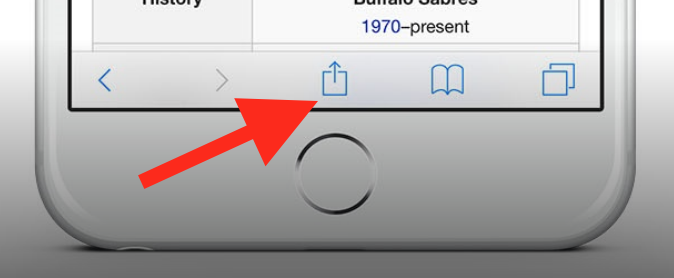
To add this web app to your homescreen, click on the "Share" icon
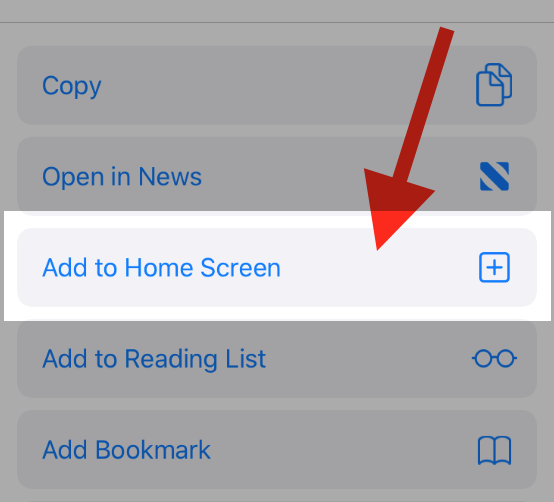
Then click on "Add to Home"
To add this web app to your homescreen, click on the "Share" icon
Then click on "Add to Home"
It looks like your browser doesn't natively support "Add To Homescreen", or you have disabled it (or maybe you have already added this web app to your applications?)
In any case, please check your browser options and information, thanks!
It looks like your browser doesn't natively support "Add To Homescreen", or you have disabled it (or maybe you have already added this web app to your applications?)
In any case, please check your browser options and information, thanks!